Eight hours in the real world: a deployment reality check
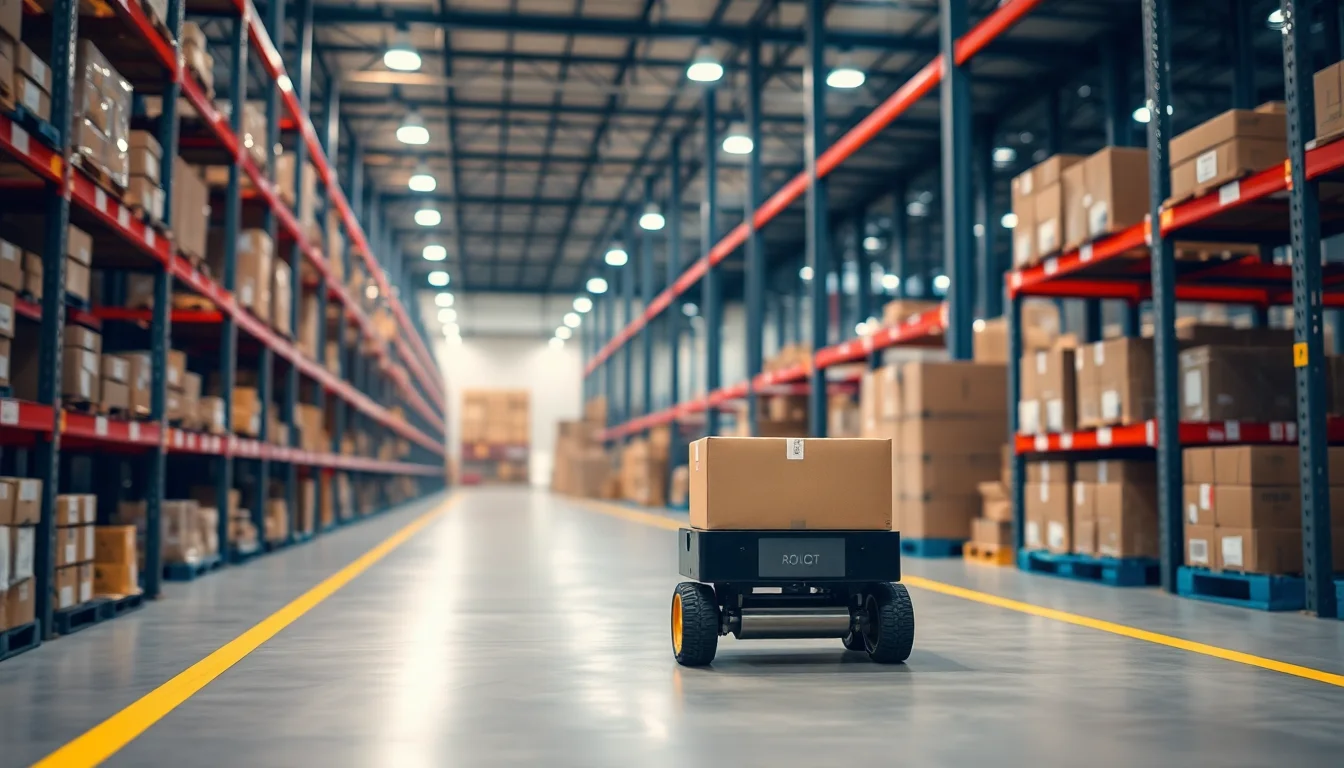
Plus One Robotics chose an unusual format for a robotics launch: not a highlight reel, but an eight-hour live demonstration of its AI-powered parcel induction system running in a real-world warehouse. That matters because warehouse automation is rarely judged on whether it can perform once. Operators care about what happens when the system is left on, fed continuously, and asked to keep up with the rhythms of an actual facility.
The company streamed the session across YouTube and LinkedIn and displayed live operational metrics throughout. In other words, this was designed less as a marketing cutaway and more as a deployment reality check. For buyers evaluating physical AI systems, the difference is important. A short demo can hide recovery behavior, operator touchpoints, and throughput drift. An eight-hour continuous operation makes those variables harder to ignore.
Measured throughput and pick-time: the numbers behind the livestream
The headline numbers give the event its value. Across the eight-hour run, Plus One Robotics says the system completed 19,784 picks, reaching a throughput of 2,488 picks per hour and an average pick time of 1.45 seconds per parcel.
Those figures do not prove universality, but they do show sustained performance in a live warehouse setting. Throughput is the most useful lens here because it frames the system as a production tool, not a novelty. An average pick time of 1.45 seconds per parcel suggests the robot was moving parcels at a pace that can matter operationally, especially in parcel induction workflows where consistency and tempo often matter as much as raw peak speed.
The other useful detail is that the metrics were presented during operation rather than retroactively in a polished case study. That gives operators a better basis for thinking about bottlenecks, cycle-time variance, and whether a system like this can hold its pace over a shift, not just in a controlled window.
Operator impact and integration realities: people, workflows, and maintenance
The livestream also pointed to the part of warehouse automation that is often glossed over: the human layer. A parcel induction system does not run in isolation. It has to fit into an existing workflow, interact cleanly with warehouse staff, and recover gracefully when parcels, feeds, or surrounding conditions do not behave exactly as expected.
That is why continuous operation is such a useful test. It surfaces operator impact: how much intervention is needed, where handoffs occur, and how transparent the system is when conditions change. Live metrics in a real workflow environment are not just for optics. They help operators see whether the system is stabilizing around a repeatable process or demanding constant supervision.
For deployment teams, integration still looks like the core question. The system has to line up with warehouse management software, material flow, and maintenance routines. If any of those pieces create friction, the headline throughput matters less than the operational burden behind it.
Commercial viability and investor implications: what the data actually supports
For operators and investors, the livestream supports a narrower but more credible claim: AI-driven warehouse automation can be shown in continuous, real-world use with measurable output. That is more grounded than most physical AI promotion, where edited demos often blur the line between prototype behavior and deployable performance.
Still, the event does not answer the full commercial question. It provides data points, not a full ROI model. Real viability will depend on lifecycle costs, uptime beyond a single eight-hour session, maintenance overhead, spare parts, and how the system behaves across different parcel mixes and warehouse conditions.
That is the right way to read the event. It does not settle the economics of warehouse robotics, but it does raise the evidentiary bar. In a sector crowded with big claims about physical AI, an eight-hour live demonstration with 19,784 picks, 2,488 picks per hour, and a 1.45-second average pick time is notable because it shows what deployment-ready can look like when the camera stays on.
The broader interest around robotics and AI suggests the market is looking for exactly this kind of proof: operational transparency in a real-world warehouse, not just another polished clip.