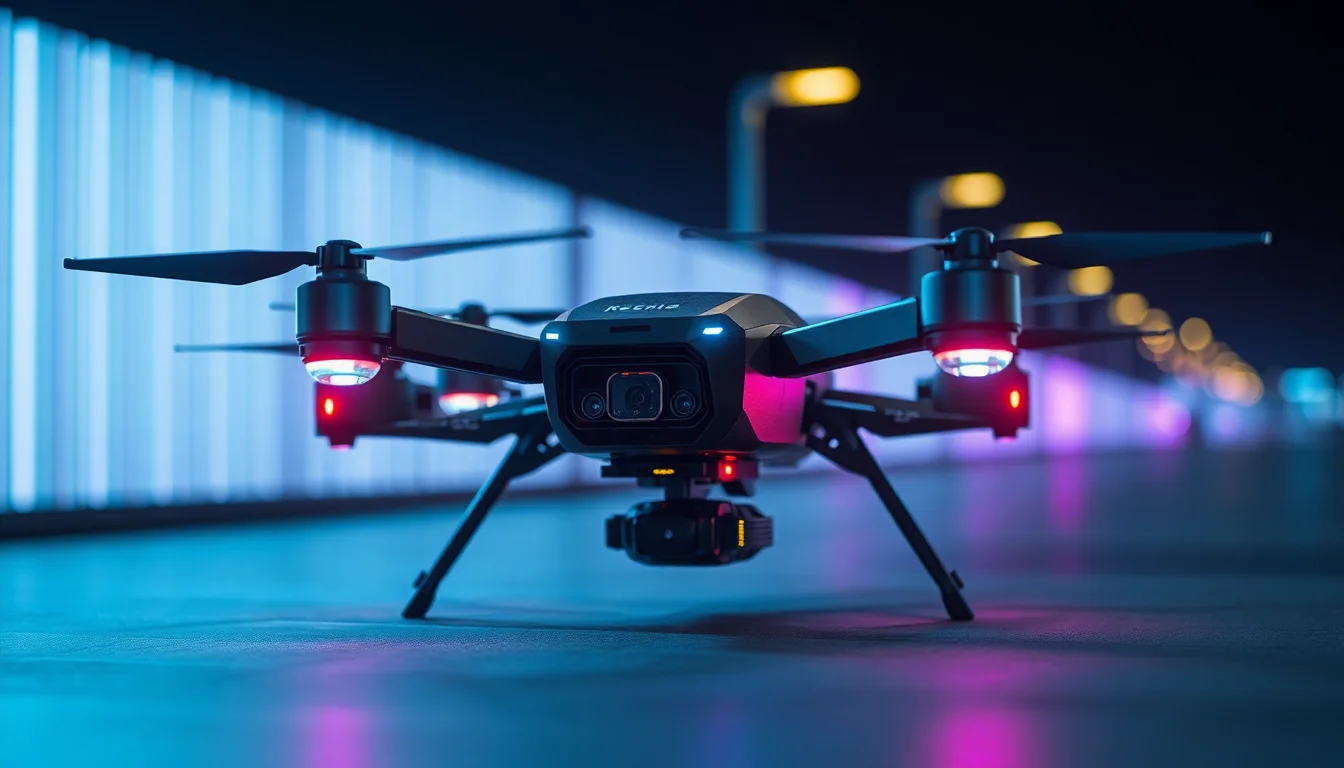
Gecko Robotics is testing Ouster’s next-generation Rev8 color lidar inside its Cantilever AI-powered inspection platform, and on paper the upgrade fits the moment. Critical infrastructure operators want inspection systems that see more, classify faster, and generate digital records that engineers can trust when the stakes are high. Rev8’s pitch is straightforward: add colorized 3D point clouds, infrared, and intensity data to the scan, and give the software stack more context to work with.
That matters because industrial inspection is often a problem of incomplete signal, not just insufficient coverage. A monochrome point cloud can map geometry well, but it leaves some of the interpretive burden on the model and the operator. By layering in color and additional sensor channels, Gecko’s inspectors and AI models may be able to distinguish structural cues that were harder to visualize before, especially in cluttered plant environments, constrained access points, and assets with mixed material surfaces. The practical appeal is not novelty; it is better input quality for a platform built around detect-and-repair workflows.
For Cantilever, the likely value is less about a headline leap than about incremental gains in situational awareness. Colorized 3D data can make point clouds easier to interpret, while infrared and intensity information may help separate surface conditions, environmental artifacts, and anomalies that would otherwise blur together. In critical infrastructure inspections, that kind of richer data layer can improve how the software builds digital twins, prioritizes attention, and presents findings to field teams. The question is whether those advantages survive contact with real assets.
That is where deployment reality will decide the story.
Richer sensors usually mean a heavier burden somewhere else in the stack. More data can increase edge compute load, stress bandwidth, and create latency issues if the pipeline is not tightly engineered. It can also make calibration, maintenance, and version control more important, especially when a robotics system has to keep operating in tough industrial conditions. If Rev8 introduces a better dataset but complicates the path from capture to decision, the field benefit may be smaller than the sensor spec suggests.
Operator experience will matter just as much as model quality. A stronger data feed is only useful if it lands in a workflow that technicians can use without extra steps, special training, or manual cleanup. In inspection environments, trust is built when the system is reliable enough to support routine use, not just impressive enough for demonstrations. That means uptime, data consistency, and clear interfaces will matter more than the novelty of colorized point clouds alone.
The commercial case is equally grounded in execution. The value of Rev8 will depend on whether it helps Gecko reduce inspection time, cut false positives, increase diagnostic confidence, or improve the fidelity of digital twins enough to justify the added hardware and integration effort. Those are measurable outcomes; they are also the kinds of outcomes that determine whether a sensing upgrade becomes standard equipment or remains a selective option for specific asset classes. Without field data, it is too early to assign a broad ROI story to the test.
For investors, the important signal is not that Gecko is experimenting with new lidar. It is that the company is continuing to push the sensing side of the Cantilever AI-powered inspection platform toward richer, more actionable data in environments where the cost of missing an issue can be high. If the Rev8 integration works, it could strengthen Gecko’s position in critical infrastructure inspections by making the software more informative and more operationally useful. If it stalls on integration friction, the lesson will be a familiar one in physical AI: better perception is valuable only when it is deployable.
What to watch next is concrete. Track whether the Rev8 test improves uptime in the field, reduces time-to-inspect, lowers false positives, and boosts diagnostic confidence for operators. Also watch whether the additional data actually feeds smoothly into Cantilever’s automated repair loop, rather than creating more manual review. That is the real test of whether color lidar becomes a daily-practice upgrade or just a technically interesting enhancement.