Figure’s Catalyst deal turns humanoids from demo units into warehouse workers—starting in Reno
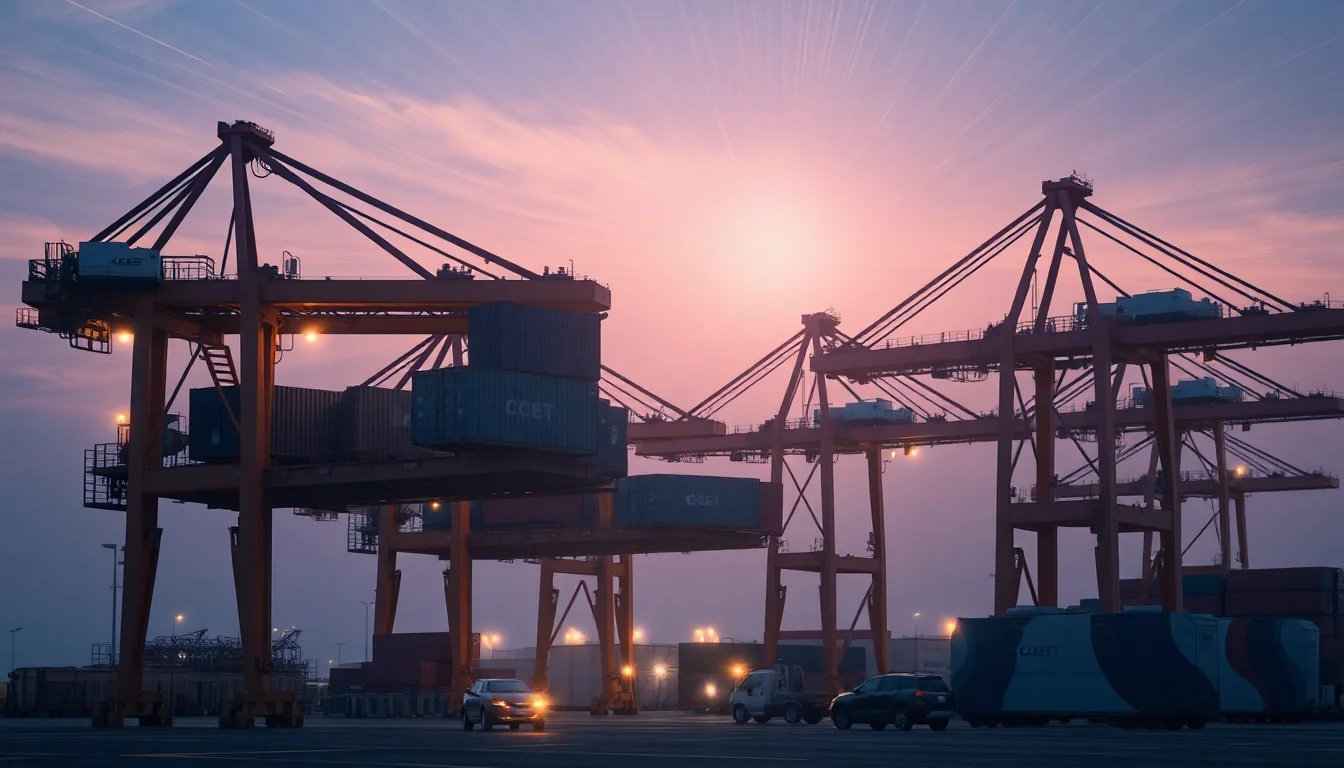
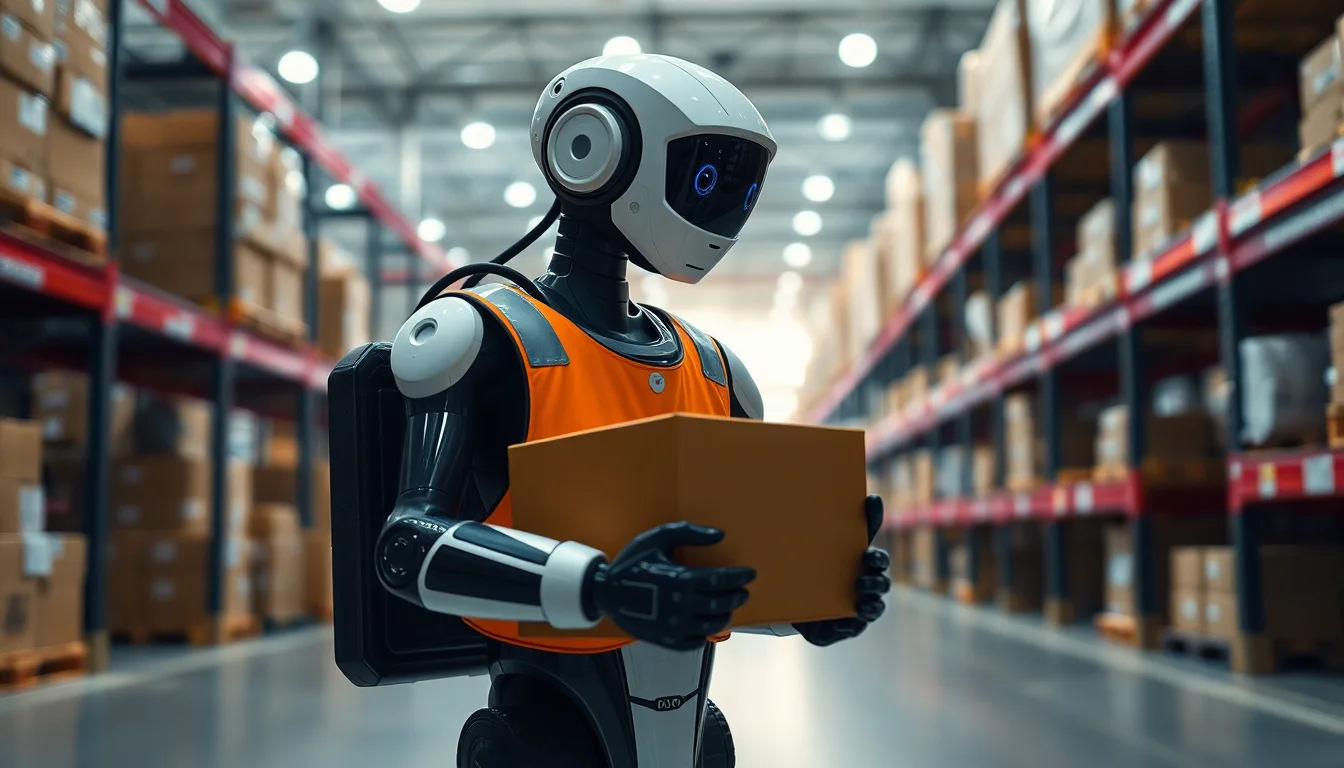
Figure AI has moved past the language of lab demos and short-term trials. Its new commercial agreement with Catalyst Brands begins with a deployment at Catalyst’s distribution center in Reno, Nevada, where Figure’s humanoid robots will be used in logistics operations that include physically demanding supply-chain tasks.
That matters because logistics is one of the clearest places to test the gap between robotics ambition and operational reality. Warehouses do not reward novelty. They reward consistency, safe behavior around people and equipment, and the ability to fit into existing workflows without creating new bottlenecks. A humanoid that can look impressive in a controlled setting still has to prove it can work day after day in a live distribution environment.
Reno is the starting point, not the proof point
The Reno site is important less for what it says about the robots themselves than for what it says about the deployment model. Figure and Catalyst are not describing a research collaboration. They are describing a commercial agreement, with Reno as the first operational setting.
In practice, that means the robots will need to slot into the rhythms of a working logistics center: moving through shared aisles, handling repetitive physical tasks, and coordinating with human staff and existing material-flow processes. That is a different test than showing a robot can pick up boxes on a staged floor.
The announced scope also matters. Figure’s statement, as quoted in the reporting, frames the work around automating physically demanding tasks and allowing workers to focus on higher-value activities. That is a familiar automation promise, but the deployment question is more specific: which tasks are suitable, under what conditions, and how much human supervision is still required?
For operators, the key issue is task fit. Humanoids are most interesting where the warehouse environment is structured enough to support them, but variable enough that a fixed-purpose machine would be awkward. Even then, the system has to manage edge cases: clutter, changing inventory patterns, dynamic traffic, and the ordinary interruptions that make real facilities hard.
The real test is autonomy reliability, not robot form factor
The public conversation around humanoids often starts with the fact that they resemble people. In deployment, that is not the main question. The real question is whether the autonomy stack is reliable enough to make the robot useful in a production setting.
That means more than basic movement. It means stable perception in a busy facility, predictable task execution, safe navigation near employees and equipment, and behavior that degrades gracefully when conditions are not ideal. A logistics rollout can expose weak points quickly: a robot that works when the line is clear but stalls when traffic changes is not an automation win.
Integration is part of the same problem. A warehouse robot does not operate in isolation. It has to work within the timing, routing, and labor patterns already in place. If it cannot keep up with the pace of operations, it may shift work rather than remove it.
That is why this Reno deployment is best read as a systems test. The robot platform, autonomy software, safety processes, facility layout, and human supervision model all have to work together. A successful deployment would show that humanoids can be managed like industrial equipment rather than treated as one-off demonstrations.
Workforce impact will come from task reallocation, not elimination rhetoric
Figure and Catalyst are framing the partnership around repetitive and physically demanding work, with humans moving toward higher-value tasks. That is the right framing for this stage, but it should be read operationally rather than rhetorically.
In a live warehouse, the introduction of humanoids typically creates a change-management burden before it creates a labor-saving story. Frontline staff need training on safe interaction, handoff procedures, exception handling, and how to work alongside machines that do not yet cover every edge case. Supervisors need to learn where the robots help, where they slow things down, and how to intervene when workflows drift.
That means re-skilling is not an abstract benefit line. It is part of the operating model. Workers may spend less time on repetitive lifting or transport and more time on oversight, exceptions, and higher-judgment tasks. But that only works if the facility invests in training and if the robots are dependable enough to be worth coordinating around.
The ROI question, then, is not simply whether a humanoid can do a job that a human used to do. It is whether the combined cost of uptime, maintenance, software support, site integration, and training compares favorably with the labor and service level gains the operator can actually realize.
Commercial viability will depend on whether Reno looks repeatable
The broader business case rests on whether this first deployment can be replicated across Catalyst’s logistics network. Catalyst operates several retail brands, including JCPenney, Aéropostale, and Brooks Brothers, which makes the network potentially interesting as a proving ground. But a network only becomes a scaling opportunity if the robot system can adapt to site differences without a full redesign each time.
That is where many robotics programs stall. One facility may be a good fit because of layout, task mix, staffing patterns, or process discipline. Another site may look similar on paper but behave differently in practice. If every new deployment requires custom integration and ongoing engineering support, the economics become much harder to sustain.
For Figure, this means the central question is not whether a humanoid can be showcased in a distribution center. It is whether it can be deployed, supervised, maintained, and improved in a way that makes the cost-to-serve work across multiple sites over time. Reliability will matter as much as capability. So will safety, operator acceptance, and the ability to integrate with existing logistics systems without disrupting throughput.
For investors, the moment is notable because it shifts humanoids from the realm of promise into the realm of operating evidence. For operators, it is a chance to see whether a general-purpose robot can actually shoulder part of the warehouse load. For engineers, it is a reminder that autonomy performance is only one layer of the stack. Deployment architecture, exception handling, and human coordination are just as decisive.
Reno will not settle the humanoid debate. But it will show whether the category can begin to earn its place in a real logistics environment, or whether the operational friction is still too high for broad commercial use.