Factory automation is no longer just a hardware story. As robot density climbs across production lines, the bottleneck is increasingly software: the dashboards that show what is happening, the alerts that say what is failing, and the data flows that tell operators what to do next.
That shift matters because automation is now running at a scale where small software problems can become production problems. The International Federation of Robotics said global industrial robot installations exceeded 500,000 in 2024, with the installed base approaching 5 million. That is not a fringe deployment curve anymore. It is an operational reality, and it pushes factories into a new mode of management where uptime depends on software mastery as much as mechanical reliability.
The software layer now governs throughput
The more robots a plant deploys, the more software surfaces it has to manage. A single cell may be straightforward. A fleet of robots, autonomous systems, conveyors, vision tools, and supervisory software is not. Each layer introduces telemetry, alert logic, versioning, integrations, and failure modes that can affect throughput.
That is why the latest reporting on factory automation keeps circling back to the same point: the factory floor is becoming a software environment. Production stability now depends on whether data is clean, alerts are actionable, and teams can move from symptom to diagnosis quickly enough to avoid cascading downtime.
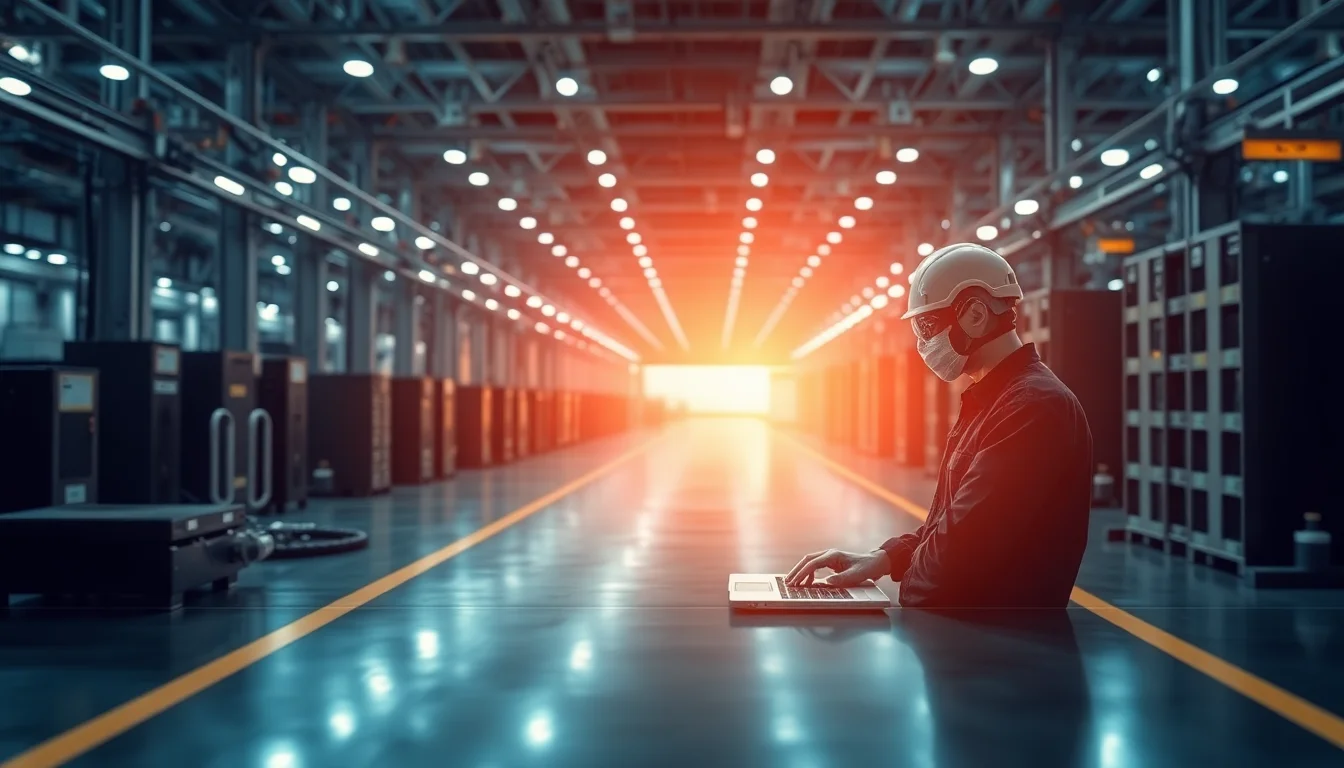
In practical terms, the control room has become as important as the machine enclosure. When a robot slows, misreads a part, misses a handoff, or drops out of sync with another system, the issue is rarely just “the robot.” It can be a sensor issue, a stale update, a misconfigured workflow, a bad integration, or an operator who is seeing the alarm but not the context.
Operators are becoming workflow interpreters
This is where the human side of robot density becomes visible. The old image of automation assumed a machine minder watching equipment that did one task repeatedly. The emerging role is different. Operators are being pushed toward workflow interpretation: reading dashboards, judging alerts, understanding exceptions, and deciding whether a pause is a real fault or a recoverable hiccup.
That raises the skill bar. Teams do not need every employee to be a software engineer, but they do need software fluency. If operators cannot interpret system status, understand what the telemetry means, or know how to escalate a software issue, then higher robot counts can create fragility instead of resilience.
The operational risk is simple: more automation can mean more points of failure if the workforce is not trained to manage the digital layer. In that setting, even a well-built robot fleet can underperform because the people around it are working without the data context needed to keep throughput steady.
ROI now depends on software-enabled uptime
For operators and investors, this changes the economics. Automation payback is not determined only by robot purchase price, cycle time, or payload specs. It increasingly depends on software maturity, interoperability, and whether the plant can keep systems running without constant manual intervention.
That is especially relevant in a market where robot adoption is broadening from isolated cells to denser, more connected deployments. Once robots are embedded across multiple lines, uptime becomes a software problem in the financial sense too. Every hour of lost production, every misrouted alert, and every integration issue hits ROI.
The commercial winners are likely to be the vendors and integrators that can reduce operational friction: systems that are easy to monitor, easy to update, and easy to connect to existing workflows. The service layer matters more as well. As plants move from one-off installation projects to continuous operation, the value shifts toward support, telemetry, diagnostics, and software that can keep fleets productive after commissioning.
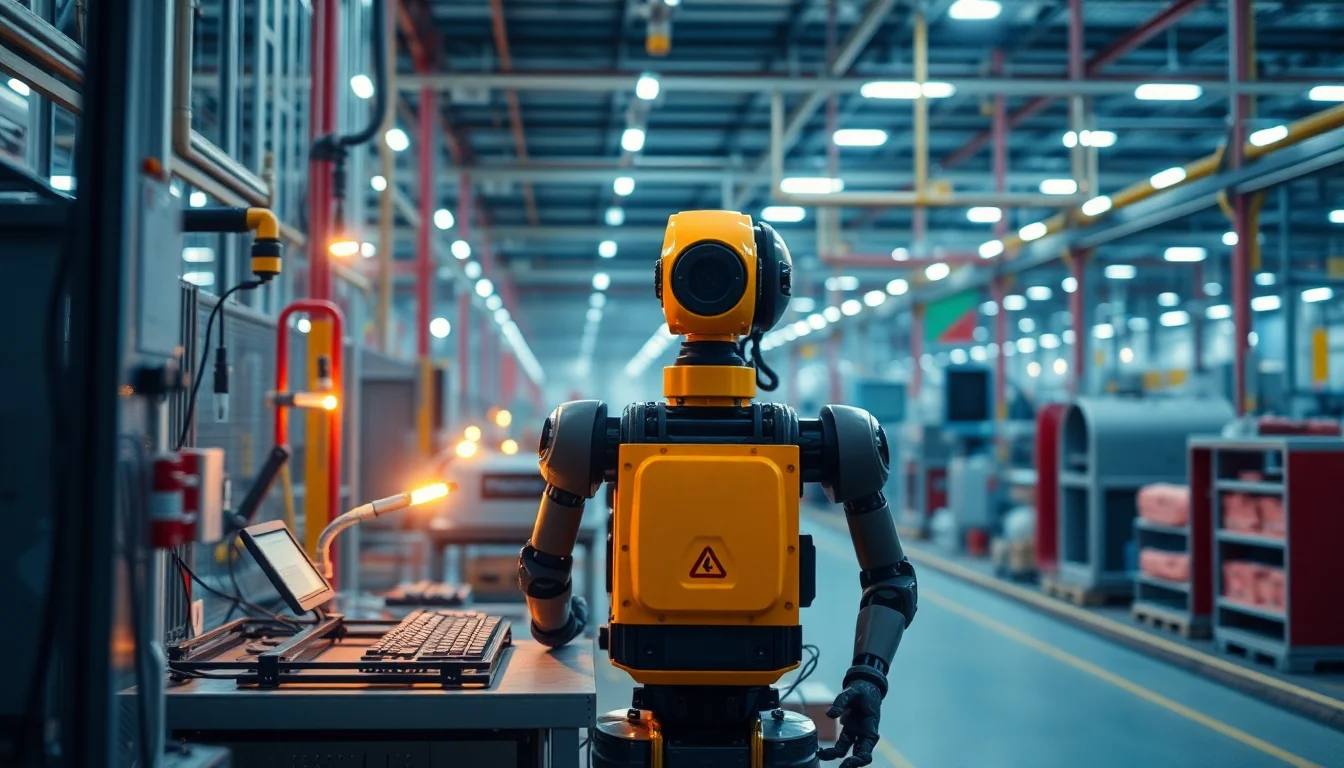
What deployment reality looks like on the factory floor
The strategic lesson is not that factories should buy less automation. It is that deployment reality has become the core variable.
A plant that wants robots to scale should start with three practical steps:
- Standardize dashboards so operators see the same operational picture across cells and shifts.
- Train teams to interpret alerts, not just acknowledge them, so they can separate noise from genuine faults.
- Choose interoperable software stacks with clear data governance, so telemetry from robots, sensors, and supervisory systems can be used without manual patchwork.
Those steps sound basic, but they are exactly where many automation programs break down. Hardware can be purchased faster than software habits can be built. Yet in a denser robot environment, the software habits are what keep the line moving.
That is the new reality of factory automation: the more machines you deploy, the more attention you must pay to the software layer that keeps them coordinated. In that sense, software is no longer a support function for automation. It is the operating system of the plant.